Copyright Law for YouTube Reactors: What You Need to Know in 2025
Fair use, Content ID, copyright strikes — navigating copyright law is the biggest challenge for reaction creators. Here's what you actually need to know to protect your channel.
YouTubeReactions Team
YouTubeReactions.com
Copyright Law for YouTube Reactors: What You Need to Know in 2025
Copyright is the single biggest legal challenge facing reaction content creators. Every time you play a music video, movie clip, or TV show excerpt in your reaction, you are using copyrighted material owned by someone else. Understanding how copyright law applies to your content — and how to protect yourself — is not optional. It is essential.
What Is Fair Use?
Fair use is a legal doctrine in United States copyright law (and similar doctrines exist in the UK, Canada, and Australia) that allows limited use of copyrighted material without permission under certain conditions. For reaction creators, fair use is the primary legal shield — but it is not a guaranteed protection. It is a defence that must be argued case by case.
US courts evaluate fair use using four factors:
1. The purpose and character of the use. Transformative uses — commentary, criticism, parody, education — are more likely to qualify as fair use than purely commercial reproduction. Your reaction needs to add something new: analysis, emotional response, cultural context.
2. The nature of the copyrighted work. Creative works like music and film receive stronger copyright protection than factual works. This factor generally works against reactors.
3. The amount of the work used. Using a full music video is riskier than using a 30-second clip. The less you use, the stronger your fair use argument.
4. The effect on the market. If your reaction substitutes for the original — if someone would watch your reaction instead of buying the album — that weakens your fair use claim. If your reaction drives people toward the original, that strengthens it.
How YouTube's Content ID System Works
Content ID is YouTube's automated copyright management system. Rights holders upload reference files of their content, and YouTube's system scans every uploaded video for matches. When a match is found, the rights holder can choose to: block the video, monetise it (taking the ad revenue), or track its viewership statistics.
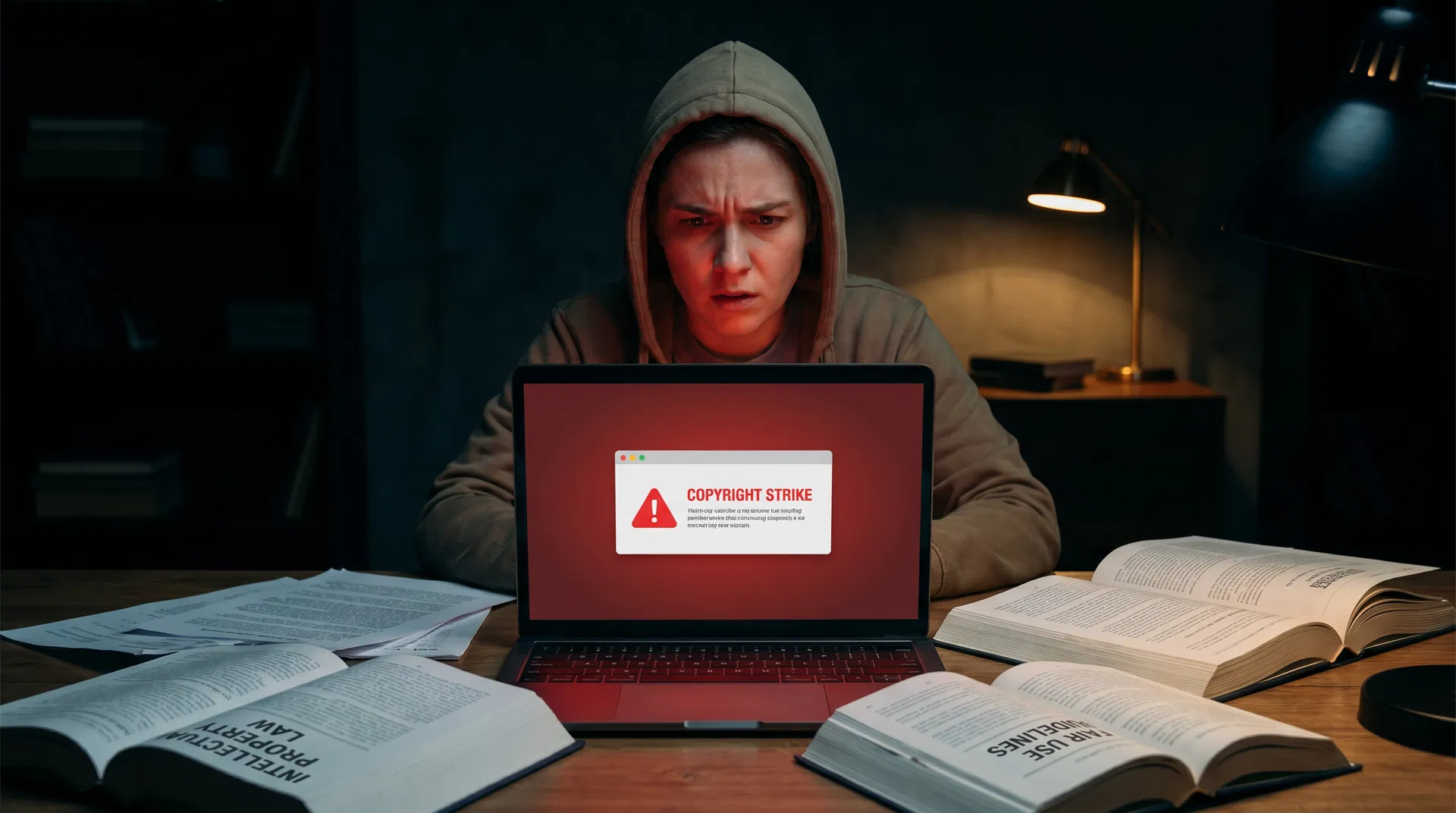
For reaction creators, the most common outcome is monetisation claims — your video stays up, but the ad revenue goes to the rights holder rather than you. This is frustrating but not catastrophic. A copyright strike, however, is serious: three strikes within 90 days results in channel termination.
Best Practices for Protecting Your Channel
The most effective protection is making your reaction genuinely transformative. Pause frequently to share detailed commentary. Keep your face visible and reactions prominent throughout. Use a split-screen layout that clearly shows you engaging with the content. The more your video is about your experience and analysis rather than simply playing the original, the stronger your position.
Many reactors also use licensed content where available. Some music labels have licensing agreements with YouTube that allow reaction videos. Checking whether an artist's label has an active Content ID policy before reacting can save you from strikes.
Building a relationship with rights holders is increasingly common among larger reactors. Some music labels actively encourage reaction content because it drives streams and album sales. Reaching out directly to an artist's management to request permission is always worth attempting.
What to Do If You Receive a Strike
If you receive a copyright strike you believe is unjustified, you can file a counter-notification through YouTube's dispute process. This is a legal declaration that your use is fair use or that the claim is incorrect. Rights holders then have 10 business days to file a lawsuit or the strike is removed. Most claims are resolved without litigation.
The reaction community has fought and won significant fair use battles. Understanding your rights — and creating content that genuinely qualifies for fair use protection — is the foundation of a sustainable reaction channel. For more guidance on building your channel, see our complete beginner's guide to starting a reaction channel.